A creative director holds the references, the brief, and the final standard in one place.
You need a creative director when the work is important enough that the final look, message, mood, and public presentation cannot be left to chance.
That could be a rebrand, a campaign, a photoshoot, a website refresh, a report, a brochure, an event, a launch, or a hospitality project that needs to feel clear before people see it.
A creative director helps shape the direction before the designer, photographer, writer, stylist, developer, agency, or marketing team starts producing the work. The role is not to make the project heavier. It is to make sure everyone is working towards the same final result.
Quick answer
- Bring one in when the brief is still loose.
- Bring one in before the shoot, rebrand, launch, or report starts.
- Bring one in when too many people are making visual decisions.
- Bring one in when the work must feel clear, trusted, and ready for public view.
If you are planning a public-facing project and the brief still feels unclear, this is usually the point where creative direction should come in before production starts.

What does a creative director actually do?
A creative director guides the creative side of a project. In plain English, they help decide what the work should look like, feel like, say, and protect before it goes public.
That can include the brief, mood, visual references, photography direction, layout review, campaign direction, brand standards, approval comments, and final checks before launch.
A project manager may ask, “Is this done?” A creative director asks a different question: “Is this right for the brand, the audience, and the way this will be used?”
Good direction reduces guessing. It gives the team a shared standard before time, money, and people are fully committed.
What creative direction fixes
Creative direction is useful because it turns scattered opinions into a clear working direction. It gives people a stronger basis for decisions before the work becomes expensive to change.
- the mood and visual world of the project
- the story the audience should understand
- the way images, words, layout, and channels should work together
- the standard used to approve or reject creative work
- the final feeling the brand should leave behind

The clearest signs you need one
You do not need a creative director for every small update. A resized graphic, quick caption, or small internal notice can usually move without that layer.
But if the work will shape how people see the brand, it needs better direction before it reaches the public.
- you are preparing a rebrand, refresh, or new brand direction
- you are booking a photographer, filmmaker, stylist, or content team
- your launch has posts, emails, landing pages, visuals, and offers going in different directions
- your hotel, lodge, camp, restaurant, or lifestyle brand looks better in real life than online
- your marketing materials feel inconsistent across web, print, social, and sales documents
- your founder has the idea, but the team needs a clearer brief
- your agency, designer, or photographer is working from loose references instead of a proper direction
- too many people are creating, but nobody is protecting the final look
When many people are creating, someone has to hold the direction
Most brand projects do not fall apart because people are lazy. They drift because everyone is solving a different version of the brief.
The designer is thinking about layout. The photographer is thinking about frames. The copywriter is thinking about words. The marketing team is thinking about deadlines. The founder is thinking about the bigger vision. The agency is thinking about delivery.
All of those views can be useful. But if nobody is holding the final picture, the work starts to split. The website says one thing. The photos suggest another. The brochure feels unrelated. The campaign has too many ideas. The social content is active, but not clear.
A creative director helps bring those pieces back to one clear direction.

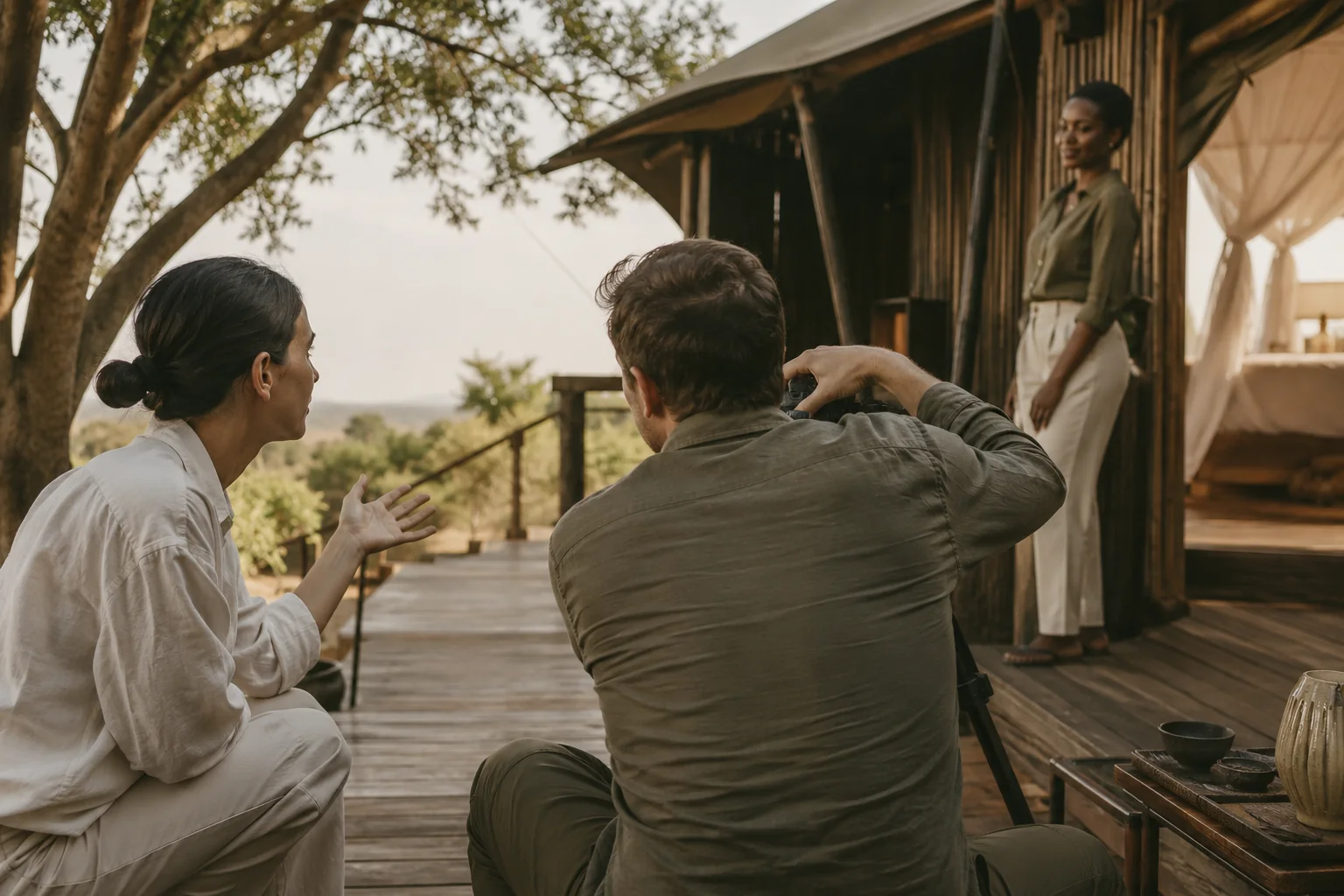
Before a photoshoot, direction decides what the image must do
A strong photographer can make beautiful images. But beautiful images are not always useful brand images.
For a hotel, lodge, restaurant, lifestyle brand, or campaign shoot, the question is not only, “Can this image look good?” The better question is, “What should this image communicate?”
- privacy, warmth, food, arrival, landscape, service, or detail for hospitality
- appetite, atmosphere, craft, movement, or reason to visit for restaurants
- product story, seasonal offer, launch message, or audience shift for campaigns
- shot priority, image use, styling notes, and the final mood before the shoot begins
This is why strong hospitality brands feel so considered. Brands such as Nomad Tanzania, Asilia Africa, and Singita do not rely on room shots alone. Their public-facing materials build a clearer world around place, guest feeling, service, conservation, and experience.
Before a rebrand, direction keeps the team from guessing
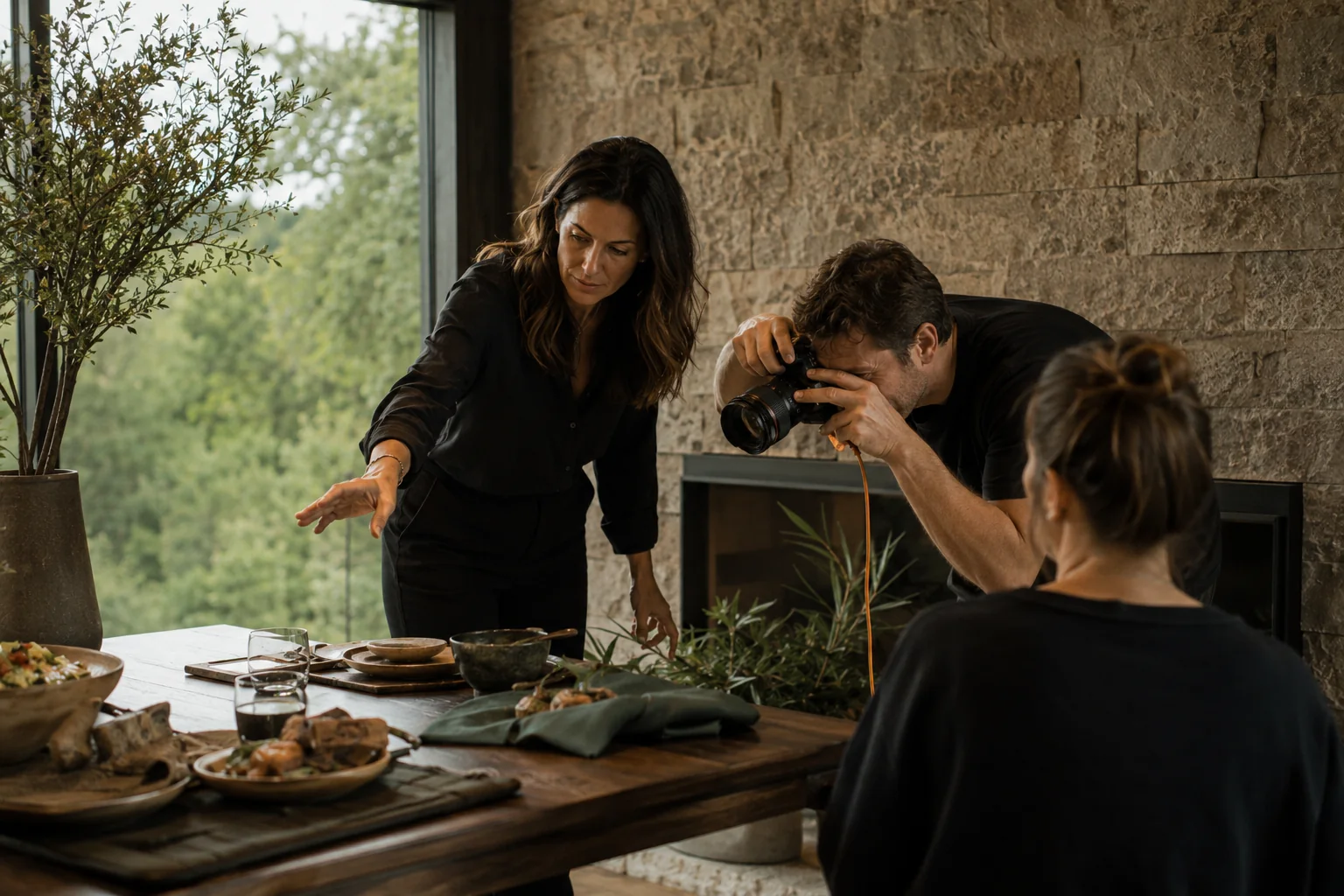
A rebrand should not begin with random logo references. References can help, but they are not direction by themselves.
Before a designer or studio starts, the team needs to know what problem the current brand is causing, what the audience should feel after the change, what should remain recognisable, which materials will need to change, and who will approve the direction.
- what needs to change
- what must stay recognisable
- what the designer is actually solving
- what the final materials need to do in public
Before a launch, direction gives the campaign one story
A launch can look busy and still feel unclear. There may be posts, emails, banners, stories, ads, reels, product shots, and announcements. But if the launch has no clear story, the audience will not know what to remember or what to do next.
Before a launch, creative direction helps decide what is being launched, who it is for, why it matters now, what the main message is, what each channel needs to carry, and what must stay consistent across the whole campaign.
More content will not fix an unclear launch. Clear direction has to come first.
Before approval, direction protects the final standard
A brand can have a logo, fonts, colours, and templates and still feel inconsistent. That usually happens when the brand system exists, but nobody is reviewing the final work properly.
The issue may be weak hierarchy, random image choices, too many visual moods, inconsistent tone, poor spacing, unclear layout, off-brand photography, rushed approvals, or too many people making judgement calls.
- Does the hierarchy guide the eye?
- Do the images feel like the same brand?
- Does the tone match the audience?
- Is the layout clear enough for someone scanning quickly?
- Does the final work still feel considered?
Where my work fits
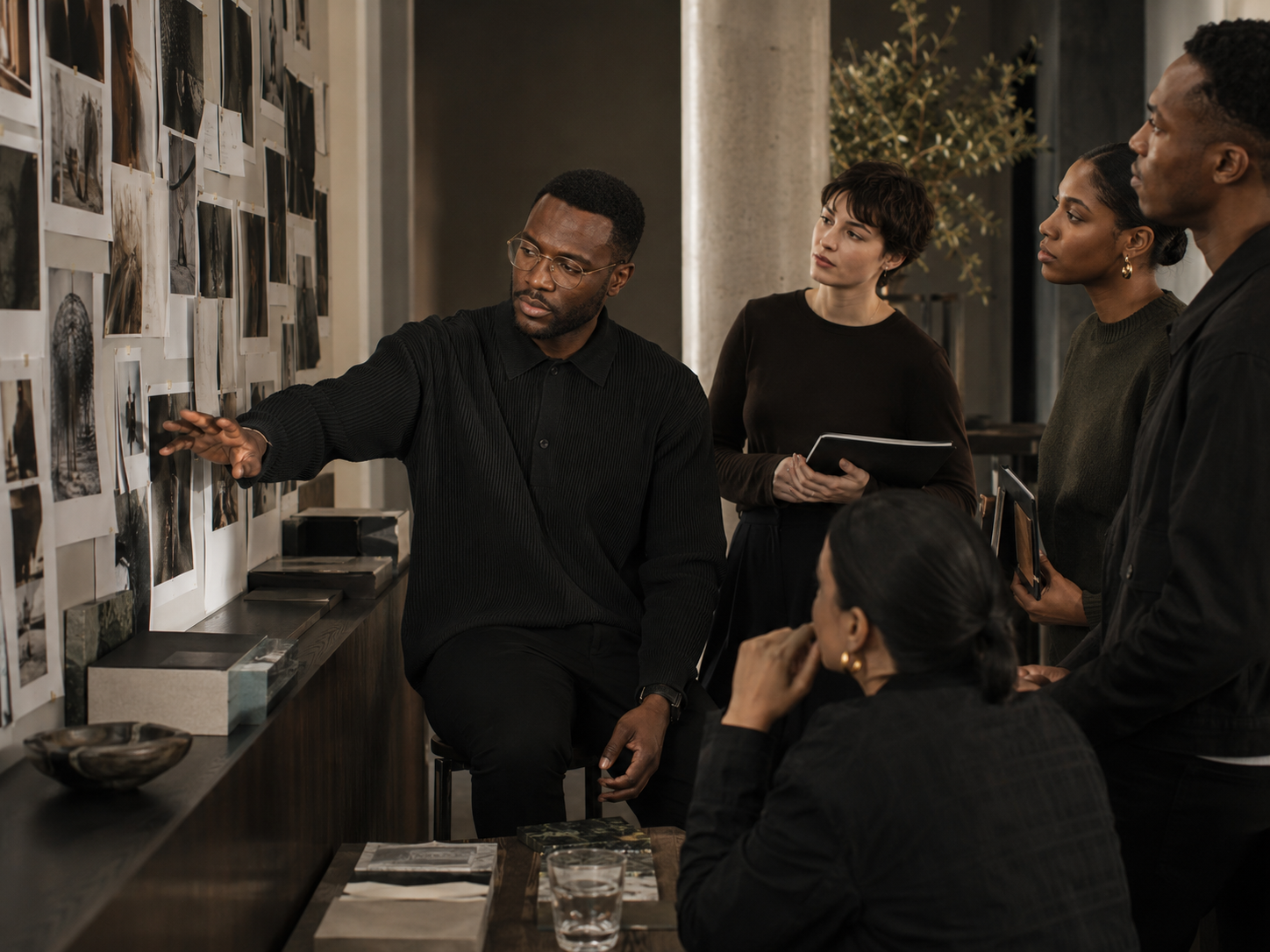
My work sits between idea and final presentation. I help founders, marketing teams, agencies, photographers, and hospitality brands shape the creative direction before the work goes too far.
That can include:
- creative direction for rebrands and brand refreshes
- photoshoot direction and shoot planning
- campaign launch planning
- brand standards and final quality review
- editorial, brochure, report, and layout review
- creative briefs for designers, photographers, writers, agencies, and studios
My work has moved across hospitality, tourism, education, lifestyle, events, and editorial projects. You can see examples in Lairs Camps brand foundations, Nomad Tanzania office branding rollout, Rivertrees events and seasonal ads, Planet Lodges brand marketing rollout, Love Boo relaunch planning, and Seissense UGC creative direction system.
Bring in direction before...
- the photographer, filmmaker, designer, or agency starts work
- the team starts creating launch content
- the rebrand begins with only logo references
- the brochure, report, deck, or website is already designed
- the event or shoot look is already being executed
- the founder approves work only by personal taste
Need a clearer creative direction before production starts?
If you are preparing a rebrand, photoshoot, launch, campaign, report, brochure, event, or hospitality project, send a short brief before production starts. I will help you see where direction can protect the final look, clarify the brief, and make the work easier for your team to finish well.
Email: al**@*******nd.net
Or use the contact page to share what you are planning.